
Recent News
The “Super Grid Upgrade” project in the UK is facing a significant delay.Up to 40% reduction! New South Wales, Australia has significantly lowered the deployment costs for industrial and residential energy storage.The US added a record 20.2 GWh of battery storage in just 3 monthsHeatwave expected to remove 15% of France’s nuclear capacity on Friday“European Battery Storage Market Outlook 2026-2030”: Utility-scale systems drive the rapid development of the battery storage market
By 2030, 200 GW of energy storage systems need to be deployed! Energy storage systems are an important factor in optimizing the operation of the European Union’s energy system.
August 3, 2026 NewsAccording to the draft of the EU's "Electrification Action Plan" that was leaked earlier, EU member states must deploy 200 GW of energy storage systems by 2030 to meet the flexibility requirements of the energy system. The EU was originally scheduled to release this highly anticipated electrification strategy this week - the previously announced release date was July 15th, but some sources indicated that it was postponed to July 17th. In August last year, the EU had already initiated the collection of public evidence for stakeholders.
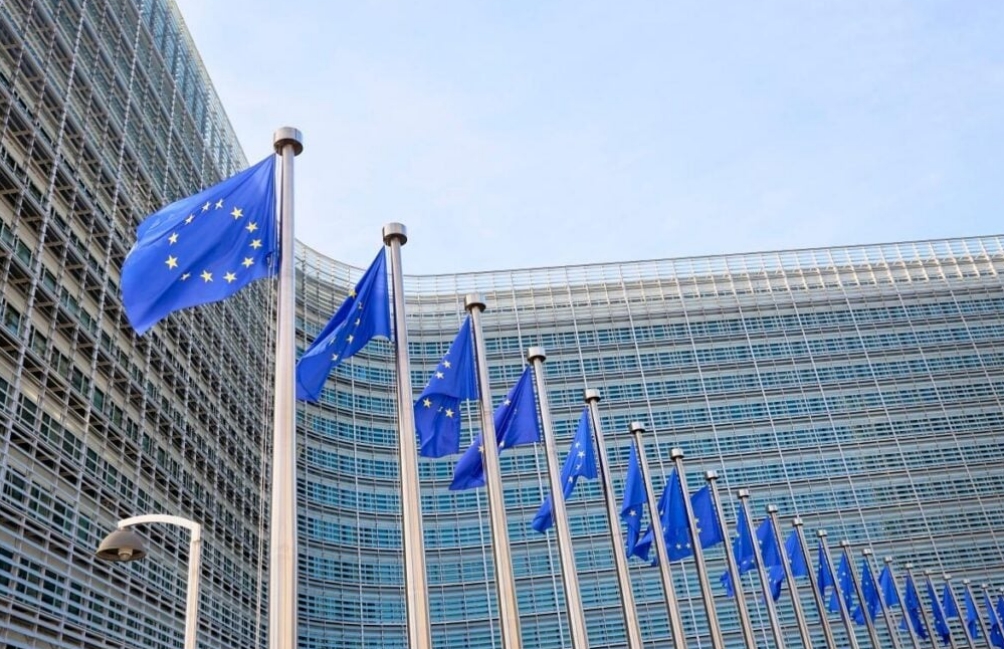
The leaked documents obtained by industry media do not include the overall target proportion for electrification in 2040 (in the draft, it is replaced by "[X]%"). This target will become part of the EU legislation. However, the documents clearly state the various measures that the European Commission will take to achieve its goal. Previously, the EU's "Clean Industry Agreement" and "Affordable Energy Action Plan" had set 30% of the electrification rate in 2030 as a reference benchmark.
These goals include eliminating the five major obstacles that the EU faces in achieving its electrification targets:
(1) Narrow the cost gap between renewable energy and fossil fuels - by increasing system flexibility to reduce operating costs, making electricity cheaper, and deploying more domestic clean energy sources;
(2) Reduce the upfront costs for the electrification of industrial sectors, transportation, and building end-users;
(3) By investing in power transmission networks, electric vehicle charging networks, port infrastructure, as well as regional heating and cooling systems, the capacity for grid infrastructure integration and production efficiency will be enhanced;
(4) Accelerate the innovation of electrification solutions, covering emerging technologies such as small modular nuclear reactors (SMNR), hydrogen, and carbon capture and storage (CC&S);
(5) Expand the scale of the electrical engineering workforce and enhance their skills, while strengthening the European manufacturing industry and supply chain system.
The document elaborates on each type of obstacle and its background in detail, and also provides the measures that the European Commission intends to take. For example, regarding the first obstacle, the proposal includes improving the price ratio of electricity and gas through tax policies, and "actively and gradually eliminating" fossil fuel subsidies in the "Energy Union Package" after 2030.
Energy storage systems as a tool for system flexibility
In the actions proposed to enhance the flexibility of the power grid, the role of energy storage systems was emphasized. Improving the flexibility of the power system can alleviate incidents such as soaring electricity prices, negative pricing, and zero pricing. The EU hopes to encourage end-user resources at the household, commercial, and industrial levels to participate in the flexibility market, covering various entities ranging from vehicles to grid (V2G) technologies to artificial intelligence data centers.
The document states: "Energy storage systems are an important factor in optimizing the operation of the EU's energy system."
Recently, the "Tripartite Agreement on Energy Storage" signed by the governments of 22 EU member states, renewable energy and energy storage system developers, and industrial electricity consumers committed to deploying 30GW to 35GW of energy storage systems between 2026 and 2028. However, the document later cited data from the European Joint Research Centre (JRC), stating that the EU needs to deploy 200GW of energy storage systems to meet the system flexibility requirements - this figure is nearly four times the 55GW that was expected to be deployed by the end of 2026. This data is based on the POTEnCIA model (Policy-oriented Energy and Climate Impact Assessment Tool) of the JRC, and the JRC previously pointed out that, based on the current trend, the actual deployment will be less than half of the required capacity.
Long-term energy storage technology has received recognition from industry organizations.
Carolina Cruz, an expert on EU energy policy at the European Energy Storage Association, posted on LinkedIn that the "long-term recommendations" advocated by the industry organization have been taken into consideration by the European Commission. One of the suggestions is to deploy long-duration energy storage systems (LDES) - even in the relatively recent EU power system policy documents, long-duration energy storage systems have often been overlooked, and these documents have begun to incorporate more energy storage technologies in other aspects.
The EU Commission document states that the revenue stream of the cross-seasonal energy storage system is insufficient to cover the initial investment. The Commission will organize a high-level meeting to discuss the obstacles and solutions faced by the energy storage system, covering long-term energy storage systems and renewable energy purchase agreements (PPAs) that include energy storage.
Cruz also welcomed the fact that the European Commission has designated the implementation of the "Energy Storage Tripartite Agreement" as a priority for the "Energy Union" working group. She stated: "At this stage, fulfilling this existing commitment is more important than any new commitment."
Meanwhile, the digital energy developer Kraken Technologies has expressed its approval of the proposal in the draft that aims to promote the application of distributed electrification technologies such as battery storage systems, electric vehicles, and heat pumps through tax exemptions and other incentive programs.
Devrim Celal, the Chief Marketing and Flexibility Officer of Kraken, stated that the plan demonstrated "the appropriate level of ambition". Celal noted: "Electricity generation now concerns affordability, resilience and energy sovereignty, rather than just decarbonization."
However, Celal argues that while promoting distributed energy resources (DER), investment in demand-side response should also be increased to manage peak loads. Celal said: "Facing the estimated 584 billion euros (approximately 667.74 billion US dollars) of grid investment challenge in Europe by 2030, we need both to build new infrastructure and to better utilize the existing grid. Software can shift the electricity usage times of electric vehicles, heat pumps, battery storage systems, and industrial loads to the periods with the lowest electricity prices and the cleanest electricity, converting the new demand into flexible assets rather than a burden on the grid."
The environmental non-profit organization Beyond Fossil Fuels described the leaked "Electrification Action Plan" as "a step in the right direction", but at the same time pointed out that the electrification of buildings, industries and transportation must be combined with the binding target of increasing the proportion of renewable energy to 2040 and the credible plan to gradually phase out fossil fuels.
The organization also warned that the current grid crisis needs to be addressed urgently, and the growing power demand of data centers could disrupt the electrification process. Tara Connolly, an activist from Beyond Fossil Fuels, said: "Electrification can only be achieved if the European power grid can support a higher proportion of renewable energy, as well as heat pumps and electric vehicle charging stations. But currently, in just 8 EU member states, there are 100 billion euros worth of renewable energy and battery projects piled up in the grid connection queue. If no appropriate reforms are made, the energy transition and electrification in Europe will face the risk of stagnation. The root cause is not a lack of projects, but that local power grids are not yet ready."
Another activist of the organization, Jill McArdle, said: "For the EU to achieve electrification, it must ensure that the increase in power consumption for data centers does not become a stumbling block. Without reliable and strong safeguards, accelerating the growth of energy demand for data centers will shift power and renewable energy away from households, priority industrial sectors, and electric vehicles (areas that should be served by electrification), leading to an increase in reliance on natural gas and rising electricity costs."
She called on the EU to introduce binding rules rather than relying solely on voluntary commitments from industry players.
RELATED POSTS
-

Ningbo Jing Hong Energy Technology Co., Ltd.
Room 205, 2nd Floor, Building 3, No. 128,Jingyuan Road, Ningbo High-tech Zone,Zhejiang ProvinceA Tech Power B.V.
VAT ID: NL865234759B01
Grevelingenhout 45, 4311NL, Bruinisse, the Netherlands
©2023 wpboss.cn, wordpress theme designer